



Virtual Reality Therapy
Virtual reality lets therapists build, grade and stop exposure at will. The trials show where it works, from phobias to psychosis and pain, and what to do when a session brings on sickness, panic or dissociation.
Afraid to Move: The Psychology That Shapes Recovery in Physical Rehabilitation
Fear of falling, fear of pain and depression can hold back recovery as much as weak muscles do. The trials point to a better model: physiotherapy and psychological care working together.

When the Chatbot Agrees With You: The Research Case for Guardrails Against AI-Fueled Delusion
Hospital records, chat logs and stress tests now show how chatbots can deepen delusions in vulnerable users, and that the safest models already prove the problem can be engineered away.

Gen Z, Anxiety, Depression and Panic: What the Latest Research Shows
The latest data on anxiety, depression and panic in Gen Z, including the recent fall in US figures, the debate over phones and social media, what the developing brain adds, and the treatments that work.
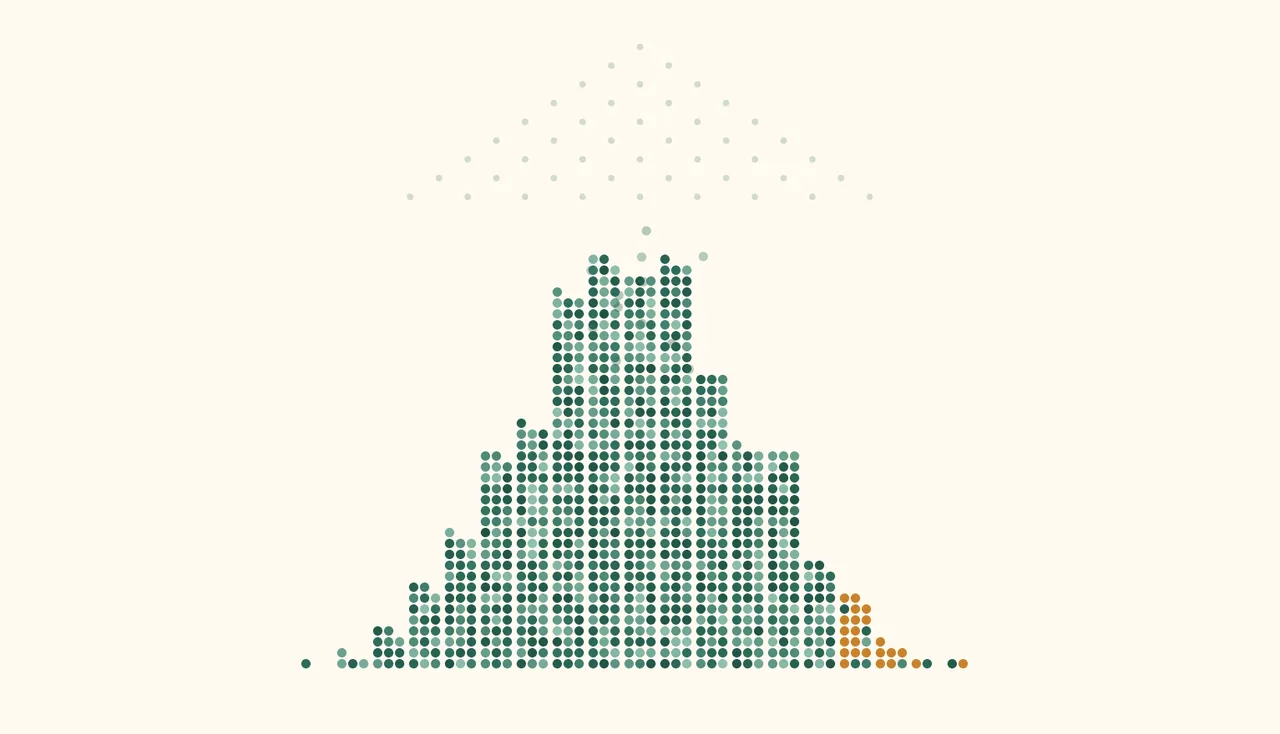
Many Genes, Small Effects: What Polygenic Risk Tells Us About the Brain
Why conditions like schizophrenia, depression and ADHD are shaped by thousands of genetic variants rather than one gene, what those variants point to in the brain, and what polygenic scores can and cannot tell a clinician.

Assertive Community Treatment: What Therapists in Private Practice Should Know
How ACT teams work, who they serve, what the research shows, and how a private-practice therapist can refer a client and work alongside a team.